
Written by Anjelica Fabro, Acquisitions Intern
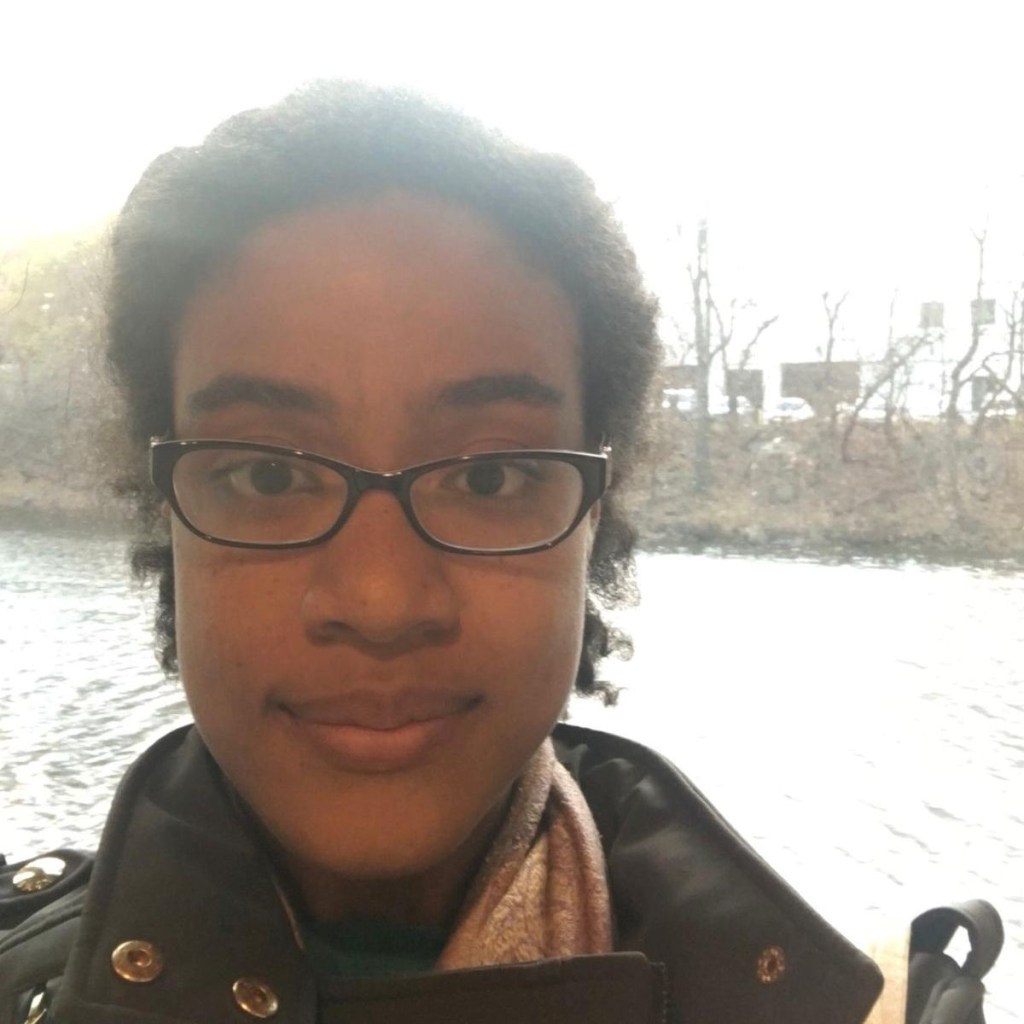
I love lemons. With the right ingredients, tools, and chef, lemons can make beautiful dishes. When life gives me lemons, I make lemon cupcakes. I might use a lemon to clean and flavor the flying fish that I would eat with macaroni pie and frozen mango lemonade. When I see a lemon, I happily take it. I want to appreciate the help I received and enjoy and share the fruits of my labor.
I started my Ph.D. in ethnomusicology with the end goal of a tenured professorship in my field. There came a day when I questioned if life as a professor was for me, and I felt lost. Given my years of research, I did not know about many career possibilities. That is when I found the Press internship. I decided to apply because this could be a viable career path. While I had a love-hate relationship with scholarly books due to my time as a graduate student, I loved listening to and reading other people’s thoughts about the world, past, present, and future. I thought this internship in academic publishing would allow me to read scholarship from various fields.
One of my first assigned tasks became one of my favorites. I enjoyed inputting peer review feedback and review due dates in MUC (manuscripts under consideration) reports. I had to do this every month before the acquisitions meeting. While it was just letters and numbers on a page, I saw lemons and dishes in progress that would satisfy someone’s intellectual appetite. The MUC reports became a key for me to enter the archives of EAN, the Press’s book database, and project files. I began rooting for the authors as I learned more about their projects. During each MUC report, I got excited looking at the progress of the manuscripts and knowing the editors would present the projects to the editorial board soon.
One project filled me with intrigue and nostalgia: Sheneese Thompson’s Oshun, “Lemonade,” and Intertextuality. Carlynn Crosby, assistant editor, encouraged me to read Thompson’s project file at the beginning of my internship. I read the title and wondered if she was discussing the album by Beyoncé, which caught the music department off guard and was the subject of many papers, presentations, and lectures during my first year as a Ph.D. student. Reading the title placed me back in the classroom where my professor had decided to show us the visual album and start a conversation on the significance of water in the album. I loved that time because music research was like a lemon and I saw endless possibilities.
After reading the proposal, I decided to keep track of this project. I wanted to have a more significant role in helping the project launch to the EDP (editorial, design, and production) department. Whenever it was time for me to do the MUC reports, I hoped the review feedback showed it was ready to be presented to the editorial board. When Thompson’s project went to the board, I wanted to ensure I did everything I could to show the project’s value. I became like a private investigator hunting down a reviewer’s new email address to request their current CV.
When the project received board approval, research on copyright laws concerning the use of music video stills was needed. Sian Hunter, Thompson’s editor, and I reviewed the manuscript to see if the video stills were necessary. Luckily, Thompson’s writing was so descriptive that the video stills were unnecessary. I went through the manuscript to ensure readers could find the media on the internet with timestamps in the notes if they desired.
Sian and Carlynn entrusted me to handle most of the launch preparation for the Thompson project. It was a significant responsibility, but I was ready. I knew I could turn to the acquisitions team at the Press if I had questions. I went through the launch checklist used for all projects:
- Formatted the manuscript….check
- Enter codes to mark all chapter and section headings, extracts, epigraphs, and footnotes….check
- Note any use of special characters….check
- Word and image count….check
When the launch meeting came, I was elated to see the project launch to the EDP department. I realized that Sheneese Thompson’s scholarship would be out in the world, and I was glad I had the opportunity to help. I know scholars will enjoy her lemonade.
What I did for the Thompson project is something acquisitions editors do daily as problem solvers assisting the author. This project and the internship taught me that scholarship is a collaborative process. University presses play a significant role as they work with the scholar to make their work as accessible and polished as possible. Acquisitions editors have to research recent scholarship to prepare for proposal feedback meetings. They must go through conference programs and faculty pages to approach potential authors and reviewers. Sometimes, acquisitions editors have to check and document the permissions of over a thousand mosquito diagrams for a mosquito classification guide to prevent copyright issues. The books that scholars and students use result from many people wanting to give the scholar the right platform to express their ideas in writing.
I thank the Press for showing me the joy of this career path. I felt like a part of the team since the first day. I have learned so much from Stephanye Hunter, Janie Chan, Mary Puckett, Sian, and Carlynn, the acquisitions team. I saw what synergy between departments looks like during our Zoom meetings and workshops. While I miss working at the Press, I will encounter them again in the wider publishing world.
I urge you to consider applying for this internship. It is a wonderful way to expose yourself to the world of academic publishing. You may be surprised to find that you enjoy creating amazing research with brilliant and resourceful people.
Anjelica Fabro is a Ph.D. candidate in the department of music at the University of Chicago and specializes in Latin American and Caribbean music and dance. In her dissertation, she examines how Barbadians engage in Black worldmaking during performances of worship through musical tastes and creativity as well as the communal pursuit of joy.

 The Florida Bookshelf